
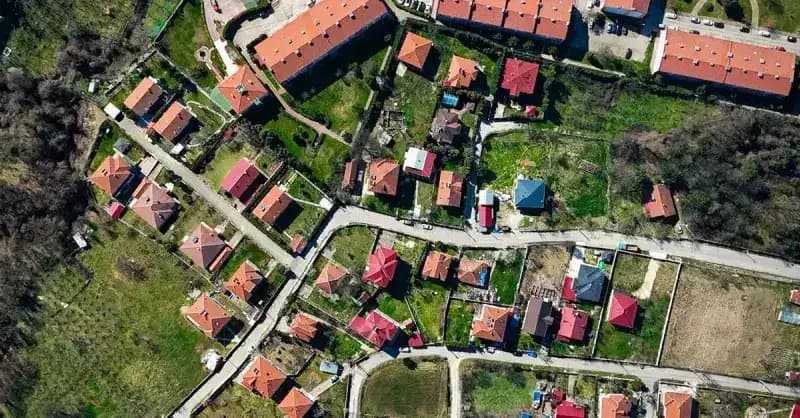
Mansfield is two cities at once. Historic Downtown Mansfield — the Main Street and Broad Street grid with its 1960s–1980s homes — holds the city's memory: small ranches, farmhouse leftovers, and roofs that have been replaced piecemeal for decades. Then there's the Mansfield of the SH-360 corridor and Debbie Lane: explosive 2000s–2010s growth, big two-stories, and subdivisions like Southpointe that filled entire sections of prairie in a single decade. Mansfield ISD's rise turned the growth into a feedback loop.
The split creates two completely different roofing markets a few miles apart. Downtown and the older south side carry aging roofs with patchwork histories — layered shingles, replaced slopes, flashing done in different eras by different hands. The 360 corridor carries the 2000s wave: architectural shingles now 15–20 years old, hitting the decision window together, with builder-grade materials that were never meant to be permanent. Walnut Creek's greenbelt and the Katherine Rose Park area thread mature trees through both.
Mansfield's geology adds a genuinely local variable: the city sits on some of the most expansive black clay soils in the metroplex, and foundation movement is a standing neighborhood topic. That movement telegraphs upward — stressed valleys, popped flashing, ridgelines that drift out of true. Add the open-prairie wind exposure of the newer subdivisions, the regular Tarrant County hail track, and oak debris along Walnut Creek, and Mansfield roofs work harder than most.
If you own in Mansfield, knowing which Mansfield you own in is half the battle. A downtown ranch with a patchwork roof needs a different conversation than a Southpointe two-story with 18-year-old builder shingles. Describe the house and the symptoms to SummitCrest Roofing, and we'll connect you with independent local roofing professionals who work both sides of the city. They do the work — we just make the match.
- County
- Tarrant County
- ZIP codes
- 76063
- Service area
- Mansfield, Texas
Mansfield
Homes here, and the roofing problems they get
Local housing notes
- Historic Downtown Mansfield: 1960s–1980s ranches with patchwork, multi-era roof histories.
- SH-360 corridor and Debbie Lane: 2000s–2010s two-stories, the big builder-grade wave.
- Southpointe and similar subdivisions: 2000s builds with 15–20-year-old architectural shingles.
- Walnut Creek greenbelt: mature tree canopy threading through newer neighborhoods.
- Remaining farmhouse and acreage properties on the southern fringe with outbuildings.
Common local roofing issues
- Expansive black clay soils telegraphing foundation movement up to valleys and flashing.
- Decision-window 2000s builder-grade shingles across the 360 corridor.
- Patchwork, multi-era roof histories on downtown ranches complicating repairs.
- Hail exposure along the Tarrant County storm track.
- Open-prairie wind exposure in newer subdivisions and oak debris along Walnut Creek.
Common calls in Mansfield
Mansfield FAQs
You're in the decision window. 2006 builder-grade architectural shingles are around 20 years old — late life in DFW conditions. An inspection now tells you whether you're buying five more years with maintenance or planning a replacement, and hail history can move individual roofs well off the average.
Those are classic signs of the clay-soil movement Mansfield is known for. The roof feels it indirectly — valleys and flashing take the stress first. Tell your roofing inspector about the interior symptoms; it changes what they look for.
SummitCrest Roofing connects you with up to three independent local roofing professionals. It performs no roofing work itself. Describe your home and the problem; the pros you choose handle everything from there.