
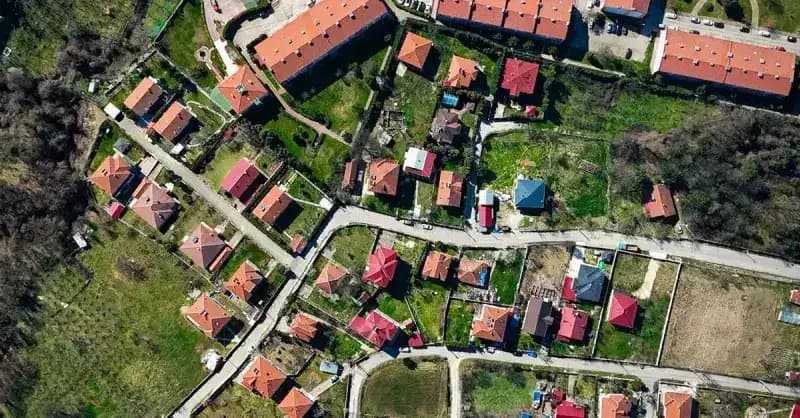
Irving blends corporate Las Colinas with older neighborhoods near the Heritage District, and its roofs show both faces. Much of the housing dates to the 1970s–1990s build-out — brick ranch homes and two-story traditionals whose original shingles are now middle-aged together. Valley Ranch and Hackberry Creek skew newer, but the bulk of the city's roofs are in their later years.
The 1970s–1990s roofs carry the era's signature: builder-grade shingles installed across whole subdivisions at once, now losing granules and curling in unison. Spring hail finds these aging roofs first — brittle shingles bruise easier than supple ones — and summer heat finishes what hail starts.
Mature trees are Irving's other roof story. Established neighborhoods have canopies that drop branches onto roofs and fill gutters every fall. A branch-rubbed shingle wears through its granules; a clogged gutter backs water up under the eaves. Both are preventable with trimming and cleaning.
When roof trouble hits your Irving home — missing shingles after a windstorm, stains spreading on the ceiling, granules piling up at the downspouts — SummitCrest Roofing connects you with independent local roofing professionals. Tell us what is happening and we will match you with a pro nearby, fast.
- County
- Dallas County
- ZIP codes
- 75038, 75039, 75060, 75061, 75063
- Service area
- Irving, Texas
Irving
Homes here, and the roofing problems they get
Local housing notes
- 1970s–1990s brick ranch and two-story homes: original or second roofs aging in waves across whole subdivisions.
- Las Colinas condos and townhomes: HOA-managed roofs — confirm who handles replacement decisions.
- Heritage District pre-1970 homes: older decking and multiple past repair layers.
- Valley Ranch and Hackberry Creek: newer architectural shingles, many still in their prime.
- Mature tree canopy: branch damage and heavy gutter debris loads.
Common local roofing issues
- Aging builder-grade shingles: granule loss and curling across 1970s–90s subdivisions.
- Hail vulnerability: brittle older shingles bruise more easily in spring storms.
- Tree damage: falling limbs and branch abrasion on roofs under mature canopy.
- Clogged gutters backing water up under eaves in downpour storms.
- Flashing wear at penetrations on mid-life roofs.
Irving FAQs
Yes — hail hits neighborhoods unevenly, and insurance outcomes differ by policy and damage extent. But if your neighbors' roofs were damaged, get your own inspection: your roof took the same storm, and undocumented damage only gets harder to claim with time.
It can be. Branches rubbing shingles wear through granules, falling limbs crack shingles, and leaf drop clogs gutters. Keep branches trimmed back from the roof surface and clean gutters twice a year.