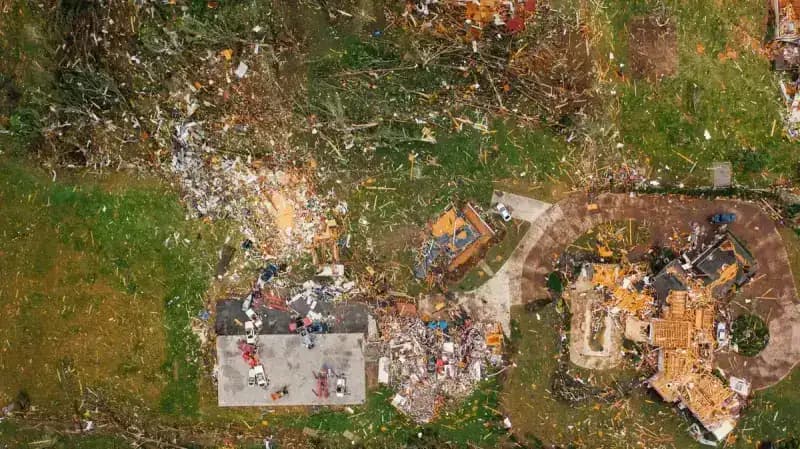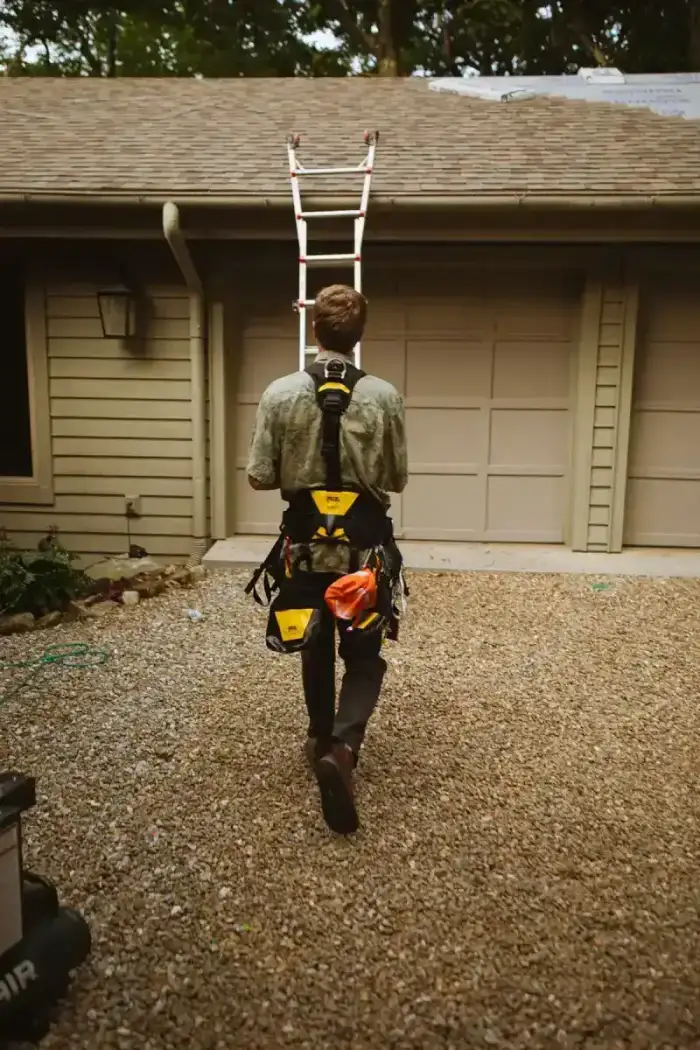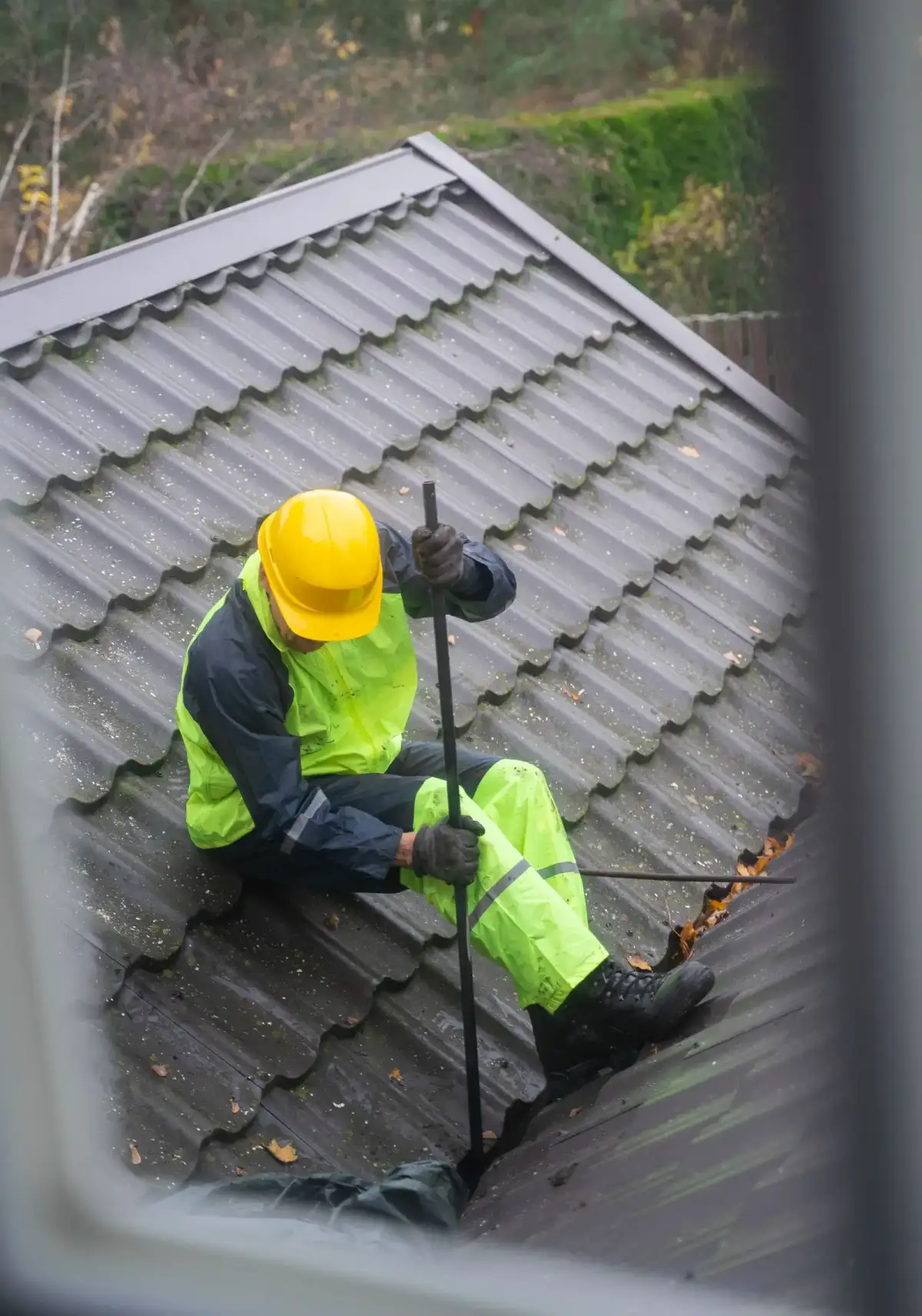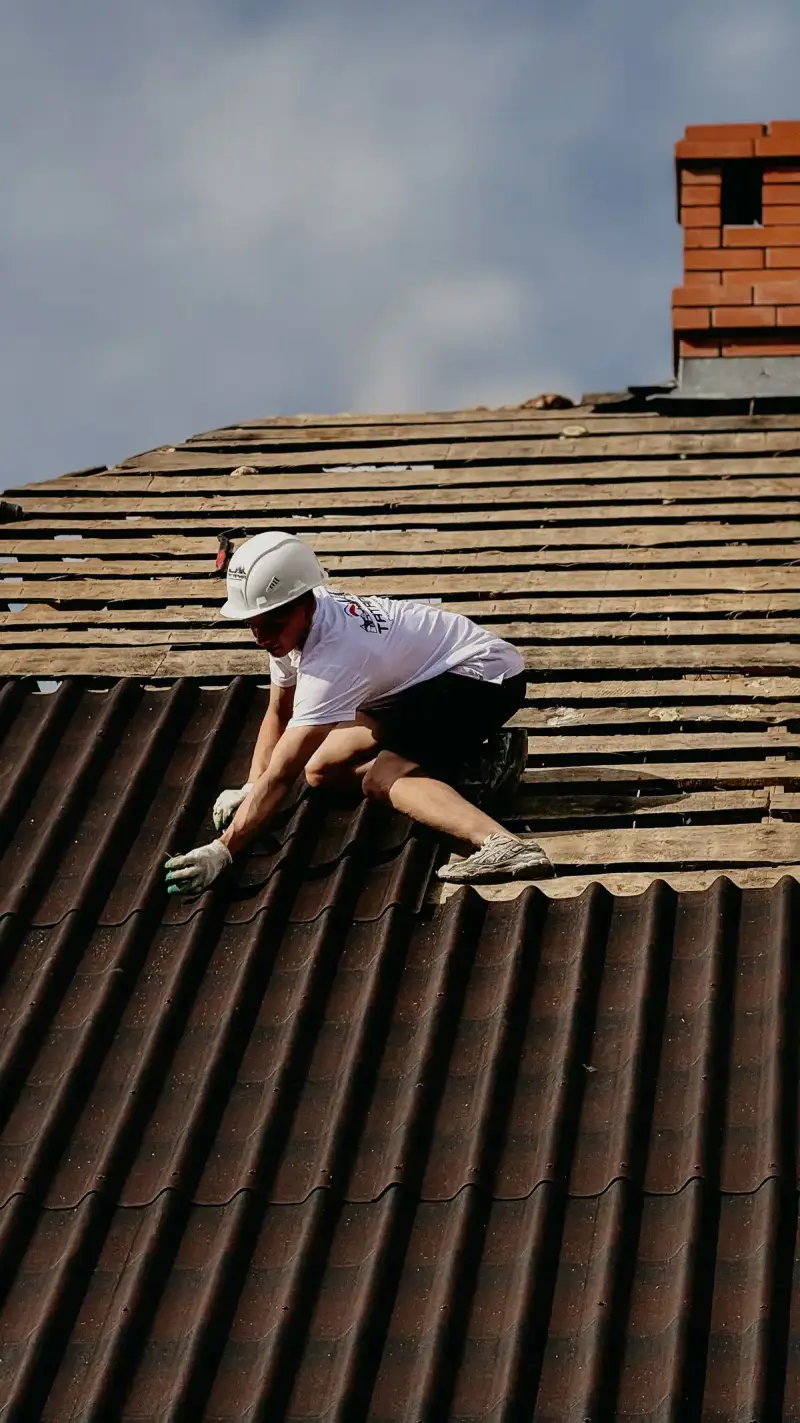
Most roof problems start small: a lifted shingle after a windstorm, flashing that pulled away from a chimney, a slow drip that shows up as a ceiling stain months later. Caught early, these are repairs — a few hours of work and the roof is whole again. Left alone, the same problems rot decking, feed mold, and turn a repair bill into a replacement bill.
The key question is always whether the damage is local or systemic. A roofer traces the leak to its source — which is often not directly above the stain, since water travels along decking and rafters — and tells you honestly whether a repair will hold or the roof is telling you it is done. A good repair addresses the cause, not just the symptom: new flashing, not just caulk over old flashing.
SummitCrest Roofing is a free referral service — we don't repair roofs ourselves. Describe the symptom — the stain, the missing shingles, the drip — and we'll connect you with up to three independent local roofing professionals. SummitCrest Roofing connects you with an independent local roofing professional — you work directly with the roofer you choose.
Key facts
- Roof repair addresses localized problems — a leak at a vent, a patch of wind-torn shingles, failed flashing — without replacing the whole roof.
- It is the right call when the roof is otherwise healthy and the damage is contained to one area.
- Leaks often appear away from their source, since water travels along decking and rafters — diagnosis starts with tracing the water's path.
- A durable repair fixes the cause (new flashing, replaced shingles), not just the symptom.
- Active leaks are priority work: water damages decking, insulation, and drywall continuously, and mold can start within days in a damp attic.
- Repairs often blend closely but rarely match perfectly — shingles weather and fade, and older colors get discontinued.
- Typical first step
- Document what you see from the ground — missing shingles, ceiling stains, granules in the gutters — then get a pro out before the next rain.
- Emergency capable
- Yes — call any time water is actively coming in or storm damage has opened the roof.
Warning signs
Signs you need this service
- A water stain on a ceiling or wall that grows after rain.
- Shingles missing, cracked, or lifted after a windstorm.
- Flashing pulling away around chimneys, vents, or skylights.
- Granules piling up in one section of gutter — localized shingle wear.
- A drip in the attic during or right after rain.
- Moss or algae growth holding moisture against the shingles.
What happens
The process, step by step
Trace the source: the roofer inspects the roof and attic to find where water is actually getting in.
Assess the surrounding roof: the area around the damage is checked to confirm a repair will hold.
Make the repair: damaged shingles are replaced, flashing is resealed or replaced, and penetrations are reworked.
Verify: the repair is water-tested where possible, and you get photos of what was fixed.
Watch
See this work up close
Roofer at work
Illustrative stock footage — not SummitCrest's own work.
Cost factors
What influences the cost
Every job is different, so we won't quote prices sight unseen. These are the factors a pro will weigh when pricing your job:
- Size and location of the damage — a single vent boot versus a whole valley.
- Roof pitch and access — steep or hard-to-reach areas take more time.
- Material matching — older or discontinued shingles can be hard to match.
- Whether decking underneath is rotted and needs replacing too.
- Whether the repair is urgent — active leaks during storm season get priority scheduling.
DIY guidance
What you can do — and when to stop
Safe to do yourself
- Contain interior damage: buckets, towels, and moving valuables away from the drip.
- Photograph the stain and the roof area from the ground — useful for the roofer and your insurer.
- Check the attic during rain to pinpoint where water enters (stay on the joists, watch your step).
- Clear debris from gutters and valleys so water drains instead of pooling.
Stop and call a pro
- Climbing onto a wet, steep, or damaged roof — the most dangerous part of any repair.
- Smearing caulk or tar over a leak without fixing the flashing or shingle underneath.
- Nailing through shingles in the field of the roof — every nail is a potential new leak.
- Ignoring an active leak 'until it stops raining' — water keeps working even after the storm passes.
Frequently asked questions
Many leaks are repairable — failed flashing, a cracked vent boot, or a small patch of damaged shingles. A roofer traces the source and checks the surrounding roof; if the roof is otherwise healthy, a repair is the right call. Widespread wear or repeated leaks in different spots point toward replacement.
Fast. Water damages decking, insulation, and drywall continuously, and mold can start within days in a damp attic. Contain the interior damage, then get a roofer out — active leaks are priority work.
No. SummitCrest Roofing is a free referral service. We connect you with up to three independent local roofing professionals, and you work directly with the roofer you choose.
Often close, rarely perfect — shingles weather and fade, and older colors get discontinued. A good roofer tells you upfront how visible the patch will be and places repairs where they blend best.
The roofer finds the leak's true source — often not where the stain appears — then removes damaged shingles or flashing around it, replaces underlayment if needed, and installs new material with proper sealing. Flashing repairs around chimneys and vents are the most common jobs. Expect photos before and after.
A proper repair on an otherwise healthy roof can last many years — sometimes the rest of the roof's life. Longevity depends on the roof's age, the quality of the repair, and whether the underlying cause was fixed. A repair on a worn-out roof is a stopgap; on a mid-life roof, it is a real fix.
Failed pipe boots and flashing around vents and chimneys, lifted or missing shingles after windstorms, and hail-bruised shingles that start leaking months later. Clogged valleys and deteriorated seal strips show up often too. Most stem from the local weather trio: hail, wind, and extreme heat.
The size of the damaged area, how accessible it is, and whether flashing or decking needs work alongside the shingles. Steep roofs cost more to work on safely. Materials matter too — matching specialty shingles costs more than standard ones. Most roofers charge a minimum trip fee even for small jobs.
It is risky and we don't recommend it — wet, steep, or storm-damaged roofs are exactly where falls happen. If water is coming in, contain the damage inside with buckets and plastic, and call a roofer for emergency tarping. Pros secure tarps without creating new leak points.
Look for a local company with verifiable reviews, proof of insurance, and experience with your specific problem — leak diagnosis is a skill, not all roofers do it well. Get the scope in writing with photos. Be wary of anyone who pushes a full replacement without showing you why the repair won't hold.
Towns we serve in DFW
Repair by city
- Allen, TX
- Dallas, TX
- Frisco, TX
- Irving, TX
- Plano, TX
- Arlington, TX
- Denton, TX
- Garland, TX
- Lewisville, TX
- Richardson, TX
- Carrollton, TX
- Flower Mound, TX
- Grand Prairie, TX
- Mckinney, TX
- Coppell, TX
- Fort Worth, TX
- Grapevine, TX
- Mesquite, TX
- The Colony, TX
- Keller, TX
- Southlake, TX
- Colleyville, TX
- Bedford, TX
- Euless, TX
- Hurst, TX
- North Richland Hills, TX
- Mansfield, TX
- Cedar Hill, TX
- Desoto, TX
- Rowlett, TX
- Rockwall, TX
- Addison, TX
- Wylie, TX