
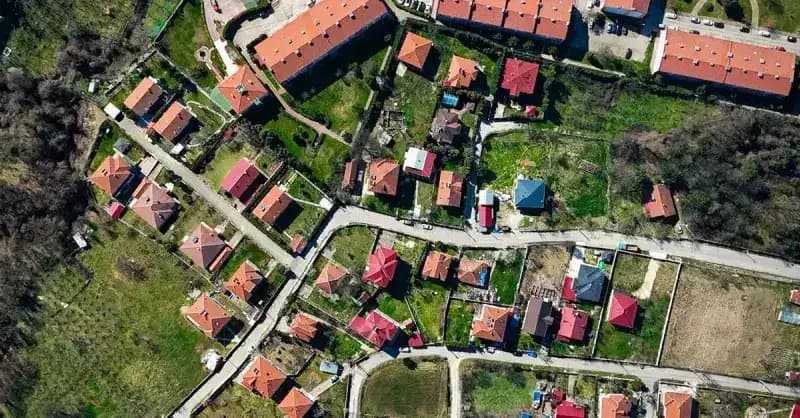
Richardson is the Telecom Corridor suburb with 1960s–80s bones — Canyon Creek, Cottonwood, and the neighborhoods around Breckinridge Park carry the era's brick homes and their roofs. Many are on second roofs now; some are due for their third.
The housing stock is solid but aging, which makes Richardson an inspection town: the difference between a roof with five good years left and one that's done is invisible from the ground. The 1960s–70s originals are long gone; it's the 1980s–90s replacements now reaching decision age.
Hail season is the accelerant. Spring storms track across the northern suburbs every year, and they find the oldest shingles first. In a city of aging roofs, every hail season reshuffles the replacement queue.
The Telecom Corridor made Richardson an employment hub, and its 1960s–80s neighborhoods housed the engineers — Canyon Creek, Prairie Creek, and the streets off Arapaho carry the era's brick traditionals on roofs now well past mid-life. Richardson's housing is older than its glossy office parks suggest, and the roofs prove it every hail season.
When roof trouble hits your Richardson home — an aging Canyon Creek roof, hail damage, or a leak that needs an honest assessment — SummitCrest Roofing connects you with independent local roofing professionals. Tell us what is happening and we will match you with a pro nearby, fast.
- County
- Dallas County
- ZIP codes
- 75080, 75081, 75082, 75083
- Service area
- Richardson, Texas
Richardson
Homes here, and the roofing problems they get
Local housing notes
- Canyon Creek and Cottonwood: 1960s–80s brick homes, many on second roofs.
- Breckinridge Park area: established neighborhoods with maturing roofs.
- Downtown Richardson: older, smaller homes.
- 1990s infill and renovations: mixed roof ages.
- Solid housing stock — roofs reward inspection, not assumption.
- 1960s–80s brick traditionals: the core stock, many on second roofs with aging decking beneath. Canyon Creek: larger lots with mature oaks — branch damage and heavy gutter loads are the local constants.
Common local roofing issues
- Second roofs from the 80s–90s reaching decision age.
- Hail finding the oldest shingles first each spring.
- Granule loss and curling on aging builder-grade shingles.
- Mature trees: branch damage and gutter debris.
- Flashing failures at chimneys on mid-century homes.
Common calls in Richardson
Richardson FAQs
An inspection — genuinely, there's no shortcut. Granule levels, shingle flexibility, flashing condition, and decking health together tell the story. For 1980s–90s roofs, the inspection is the highest-value hour you'll spend on the house.
Not directly — but the area's ongoing redevelopment means more contractor traffic and occasional debris. The real roof factors here are age and hail, same as the rest of the northern suburbs.