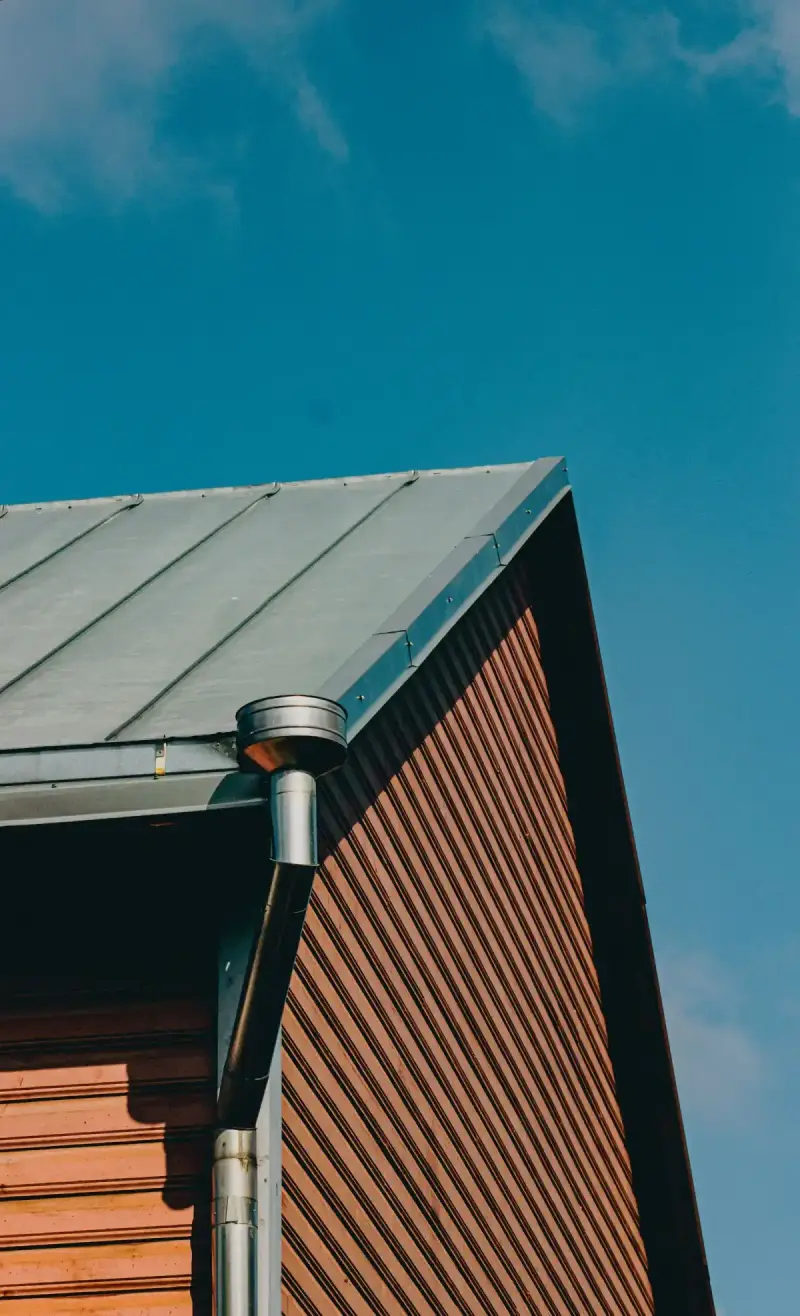
Metal roofing has moved from barns to suburbs for good reasons, and Texas weather shows them off. Standing-seam panels interlock with concealed fasteners, so there are no exposed nail heads working loose over time. The panels shed water quickly, stand up to hail better than asphalt, and reflect solar heat — a real advantage through a North Texas summer.
It is a different installation craft than shingles. Panels are measured and cut for your specific roof, underlayment and flashing details matter even more because metal moves with temperature, and the crew needs to know the system — a metal roof installed like a shingle roof will not perform like a metal roof. That is why installer experience with the specific panel system matters.
SummitCrest Roofing is a free referral service — we don't install metal roofs ourselves. Tell us about your home and what you're considering, and we'll connect you with up to three independent local roofing professionals experienced with metal. SummitCrest Roofing connects you with an independent local roofing professional — you work directly with the roofer you choose.
Key facts
- Most residential metal roofs are standing-seam panels that interlock with concealed fasteners — no exposed nail heads to work loose over time.
- Metal typically lasts several decades, resists hail bruising better than asphalt, and reflects solar heat, which helps in Texas summers.
- Panels are measured and cut for the specific roof, and the system must allow for thermal movement as temperatures change.
- Metal installation is a separate craft from shingles — look for a crew that installs metal roofing regularly.
- Installed over solid decking with proper underlayment, a metal roof sounds about like a shingle roof from inside the house.
- Large hail can dent metal cosmetically without affecting performance; thicker gauges resist denting better.
- Typical first step
- Document what you see from the ground — missing shingles, ceiling stains, granules in the gutters — then get a pro out before the next rain.
- Emergency capable
- For active emergencies, call and we'll route you immediately.
Warning signs
Signs you need this service
- Your shingle roof needs replacing and you want a longer-life option this time.
- Hail keeps damaging your shingles — metal stands up to hail better.
- You want a roof that reflects heat and may help with summer cooling loads.
- You like the standing-seam look and want it done by a crew that installs it regularly.
- Your roof has simple slopes — metal installs cleanest on straightforward geometry.
What happens
The process, step by step
Assessment: the roofer checks the deck, structure, and roof geometry for metal suitability.
System selection: panel profile, gauge, color, and finish are chosen — plus underlayment rated for metal.
Preparation: old roofing is removed (usually), decking is repaired, and underlayment goes down.
Installation: panels are set from eave to ridge with concealed fasteners, flashing and trim are fitted, and everything is checked for proper thermal movement.
Watch
See this work up close
Metal roofing profile
Illustrative stock footage — not SummitCrest's own work.
Cost factors
What influences the cost
Every job is different, so we won't quote prices sight unseen. These are the factors a pro will weigh when pricing your job:
- Panel gauge and profile — thicker metal and premium finishes cost more.
- Roof complexity — valleys, dormers, and penetrations need custom flashing work.
- Underlayment and ventilation details specified for metal systems.
- Whether the old roof is torn off or (rarely) the metal goes over one existing layer.
- Crew experience — proper metal installation is specialized labor.
DIY guidance
What you can do — and when to stop
Safe to do yourself
- Research panel profiles and colors so you know what you're asking for.
- Ask each roofer how many metal roofs they install per year — experience matters here.
- Check HOA rules before falling in love with a look your neighborhood restricts.
- Clear access around the house for panel delivery day — panels are long.
Stop and call a pro
- Assuming any roofer can install metal — shingle experience doesn't transfer automatically.
- Walking on an installed metal roof without knowing the safe foot placement — panels dent.
- Mixing incompatible metals in flashing and fasteners — galvanic corrosion is real.
- Skipping the tear-off to save money when the deck condition is unknown.
Frequently asked questions
Metal roofs typically last much longer than asphalt shingles — often several decades depending on the panel, coating, installation quality, and exposure. The finish warranty and the substrate warranty are usually separate, so read both.
Not the way people imagine. Installed over solid decking with proper underlayment, a metal roof sounds about like a shingle roof inside the house. The 'barn roof' noise comes from metal over open framing, which isn't how residential installs work.
No. SummitCrest Roofing is a free referral service. We connect you with up to three independent local roofing professionals, and you work directly with the roofer you choose.
Large hail can dent metal, yes — cosmetic dents usually don't affect performance, since the panels still shed water. Thicker gauges resist denting better. If hail is your main concern, ask the roofer about impact-rated options.
Usually the opposite — lighter colors and reflective finishes bounce solar heat away, and the air gap under standing-seam panels helps. Dark shingles absorb more heat than most metal finishes.
Standing seam — raised seams with concealed fasteners — is the premium residential choice and handles DFW weather well. Exposed-fastener panels cost less but need fastener maintenance over time. Stone-coated steel mimics shingles or tile. Most residential installers work in steel or aluminum; copper and zinc are niche and expensive.
After tear-off and deck inspection, the crew installs underlayment and eave flashing, then lays panels from eave to ridge, fastening each course. Standing-seam panels are seamed together with a special tool; trim, ridge caps, and penetration flashing finish the job. Expect more specialized labor than a shingle install.
Metal costs more upfront — typically a significant multiple of a shingle job — because of the material and specialized labor. The math changes over decades: a metal roof may never need replacing in your lifetime, while shingles get replaced two or three times. Get quotes for both and compare total ownership cost.
Sometimes — metal is light enough that going over one shingle layer is structurally possible, and it saves tear-off cost. But it hides decking problems and can complicate flashing details. Many roofers prefer a clean tear-off so the deck gets inspected. Check your local code, which may limit layers.
Metal installation is a specialty — look for a roofer with a portfolio of completed metal jobs, not just shingles. Ask which panel systems they install and how their crews are trained. Check that flashing details at valleys and penetrations are in the written scope; that's where metal roofs succeed or fail.
Towns we serve in DFW
Metal Roofing by city
- Allen, TX
- Dallas, TX
- Frisco, TX
- Irving, TX
- Plano, TX
- Arlington, TX
- Denton, TX
- Garland, TX
- Lewisville, TX
- Richardson, TX
- Carrollton, TX
- Flower Mound, TX
- Grand Prairie, TX
- Mckinney, TX
- Coppell, TX
- Fort Worth, TX
- Grapevine, TX
- Mesquite, TX
- The Colony, TX
- Keller, TX
- Southlake, TX
- Colleyville, TX
- Bedford, TX
- Euless, TX
- Hurst, TX
- North Richland Hills, TX
- Mansfield, TX
- Cedar Hill, TX
- Desoto, TX
- Rowlett, TX
- Rockwall, TX
- Addison, TX
- Wylie, TX