
Short answer
Before calling your insurer, document the damage with dated photos and get a professional roof inspection so you know the extent of the loss first. Policies vary widely — check your own for covered perils, deductibles, and filing windows before assuming what the claim will cover.
Before you call your insurer
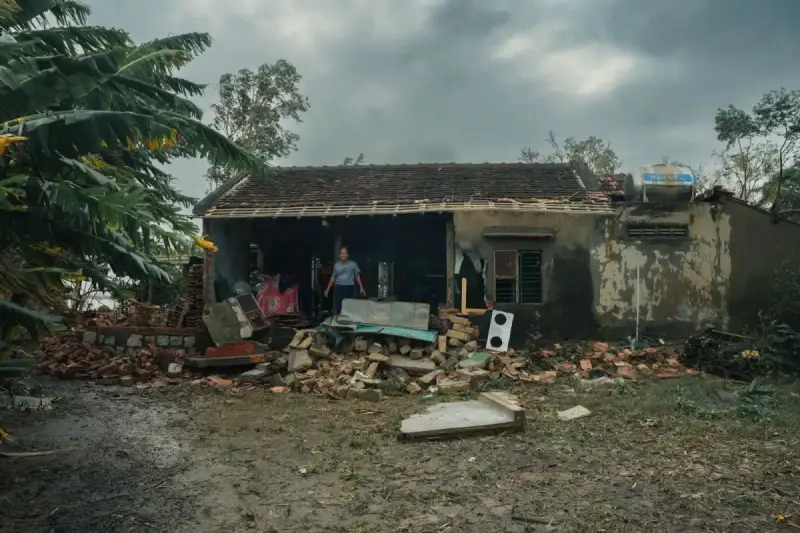
The strongest claims start before the phone call. Document the storm's date and time, photograph visible damage from the ground, check the attic and ceilings for new stains, and get a professional roof inspection with dated photos. You want to know the extent of the damage before the adjuster does.
Pull out your actual policy — not your memory of it. Check the covered perils, your deductible (including any separate wind/hail deductible, which many Texas policies have), the filing window after a storm, and whether your policy pays replacement cost or actual cash value for roofs. These details decide everything about the claim's outcome.
What policies typically cover — and don't
Homeowners policies are generally built for sudden, accidental damage: hail, wind, fallen trees. They generally do not cover wear-and-tear, aging, neglect, or pre-existing issues. A 25-year-old roof destroyed by hail is a hail claim; a 25-year-old roof simply worn out is maintenance.
But policies vary enormously — exclusions, endorsements, and state-specific provisions change the picture. Cosmetic-damage exclusions, matching exclusions, and actual-cash-value settlements for older roofs are all common. Read your own policy; generic advice can't substitute for it.
- Typically covered: hail, wind, and other sudden accidental damage.
- Typically excluded: wear-and-tear, aging, neglect, faulty installation.
- Watch for: separate wind/hail deductibles, cosmetic exclusions, ACV settlements on older roofs.
- Your policy's declarations page summarizes coverage — read it before filing.
The claim process, step by step
File the claim with your documentation in hand: storm date, photos, and the inspection report. The insurer assigns an adjuster who inspects the roof — having your roofer present for the adjuster's visit helps ensure nothing is missed, and reputable roofers do this routinely.
The adjuster produces a scope and settlement figure. Review it against your roofer's assessment. If they disagree on the extent of damage, you can request a re-inspection or invoke your policy's appraisal process. Don't accept a lowball scope silently — but do stay factual and documented throughout.
Pitfalls to avoid
Don't sign over your claim to a contractor — assignment-of-benefits arrangements can strip your control. Don't let a door-to-door contractor 'handle everything with your insurance' before you've vetted them independently. And don't delay: filing windows close, and undocumented deterioration between the storm and the claim weakens your position.
Also be realistic about outcomes. Insurance restores you to pre-loss condition per the policy terms — it doesn't upgrade your roof. If you want to upgrade materials during the repair, expect to pay the difference yourself.
Frequently asked questions
Yes. Walking in with a professional inspection and dated photos puts you in a far stronger position — you'll know whether the damage actually justifies a claim, and you'll have the documentation the adjuster needs. Filing blind is how legitimate damage gets undervalued.
It can — insurers weigh your claim history when pricing renewals. That's exactly why you inspect first: filing for minor damage that barely clears your deductible may cost more over time than paying out of pocket. Save claims for damage that clearly justifies them.
Ask for a re-inspection with your roofer present on the roof, and keep the disagreement factual and photo-documented. Most policies also include an appraisal process for settling valuation disputes — check your own policy for how it works. Don't accept a lowball scope without questioning it.
A reputable roofer will meet the adjuster on the roof and supply documentation — that's normal, helpful, and routine. Draw the line at any contractor who wants to take over the claim itself or asks you to sign your insurance benefits over to them; that arrangement can strip your control of the process.