
Short answer
Shingles cost less upfront and suit most homes; metal lasts much longer, handles hail and heat better, and costs more. Your time horizon decides: staying decades makes metal's lifetime value compelling, while a shorter stay usually favors quality shingles as the rational spend.
The honest tradeoff
This is a budget-versus-longevity decision more than a good-versus-bad one. Architectural shingles are the economical standard: lower upfront cost, good looks, solid performance, and any experienced crew installs them well. Their tradeoff is lifespan — typically 15–30 years in Texas conditions.
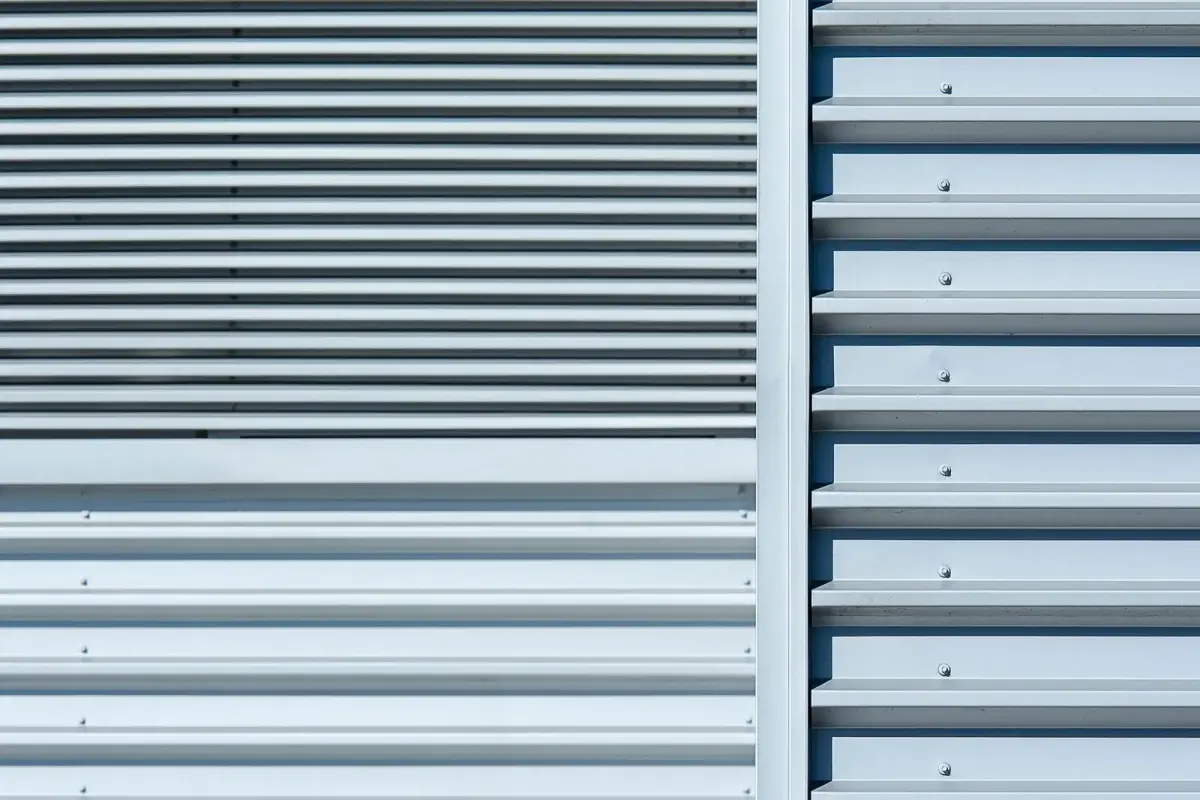
Standing-seam metal flips the equation: higher upfront cost for a roof that typically lasts several decades, stands up to hail better, reflects heat, and needs less maintenance. The tradeoff beyond price is installer dependence — metal demands a crew that does it regularly.
How they compare in Texas weather
Hail: metal resists bruising far better than asphalt — large hail can dent it cosmetically, but the roof keeps performing. Shingles bruise and lose granules, aging faster with each hail season.
Heat: metal reflects solar heat, especially in lighter colors; dark shingles absorb it. Wind: both perform well when installed to spec — the installation details (nailing pattern for shingles, clip spacing for metal) decide wind performance more than the material.
- Hail resistance: metal > shingles.
- Heat reflection: metal > dark shingles.
- Wind performance: installation quality decides for both.
- Maintenance: metal needs less over its life.
Cost and value over time
Metal typically costs substantially more upfront than architectural shingles — the gap varies by market and roof complexity. Over a long stay, one metal roof can outlast two shingle roofs, which changes the lifetime math in metal's favor. Over a short stay, you may not recoup the premium at resale — though buyers do notice a metal roof.
Think in terms of your time horizon. Planning to stay 20+ years? Metal's lifetime value is compelling. Selling in five? Quality shingles are the rational spend.
Which suits your house
Roof geometry matters. Metal installs cleanest on simple slopes; complex roofs with many valleys, dormers, and penetrations need extensive custom flashing that narrows the value gap. Shingles handle complex geometry gracefully.
Check HOA rules early — some neighborhoods restrict metal roofing or specific profiles. And get quotes for both from roofers experienced in each; a shingle specialist's metal price (or vice versa) won't reflect what a dedicated installer charges.
Frequently asked questions
It depends on your time horizon. If you're staying for decades, one metal roof can outlast two shingle roofs, and the lifetime math often works in metal's favor. If you're selling within a few years, you likely won't recoup the premium — quality shingles are the better value.
It's sometimes done, but most quality installers recommend a full tear-off. Removing the old roof lets the crew inspect the deck and install proper underlayment rated for metal. Check local code too — some jurisdictions restrict overlays, and the added weight isn't trivial.
No — that's a persistent myth. Metal roofing doesn't meaningfully block the signals your phone or router use; those travel through windows and walls regardless of the roof material. If reception is poor, it's about your carrier's coverage in the area, not what's over your head.
About the same inside the house. Residential metal is installed over solid decking with proper underlayment, which dampens sound to roughly shingle-roof levels. The noisy barn-roof image comes from metal fastened over open framing — that's not how residential installations work.