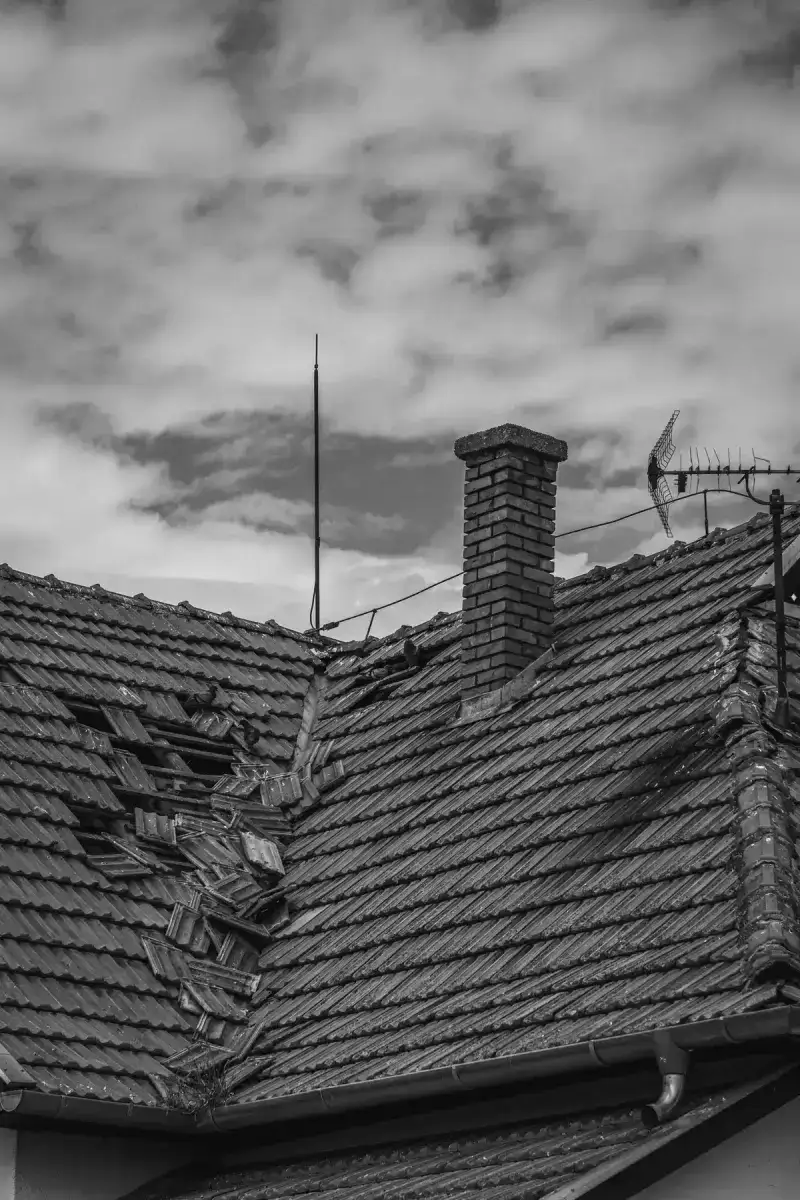
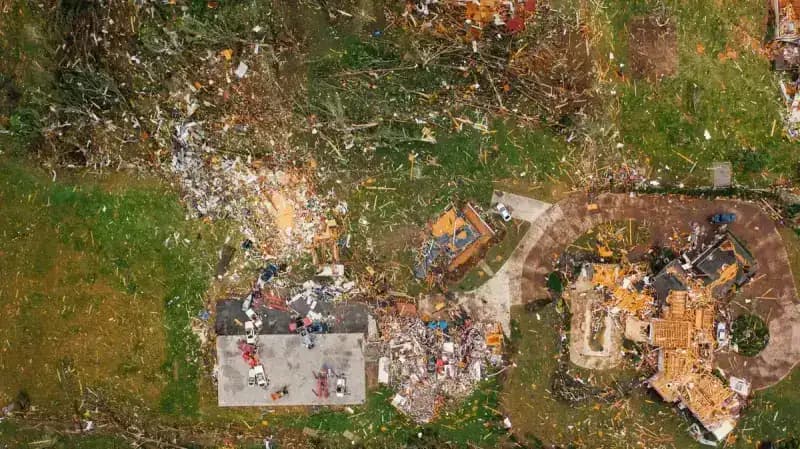
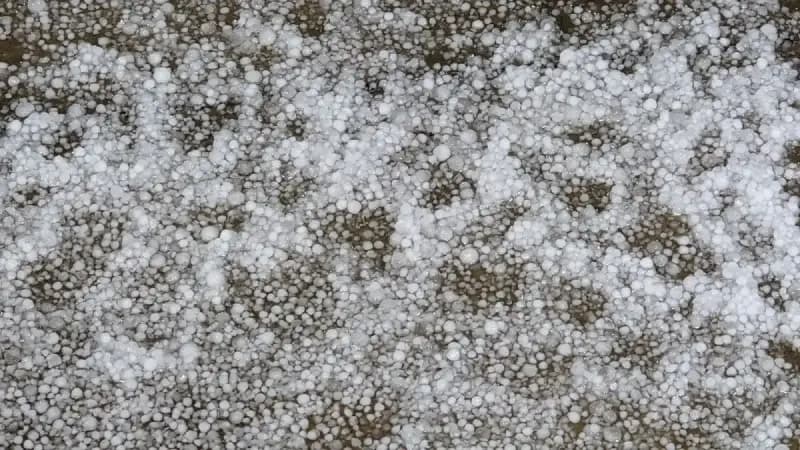
Hail is the DFW roof's biggest enemy
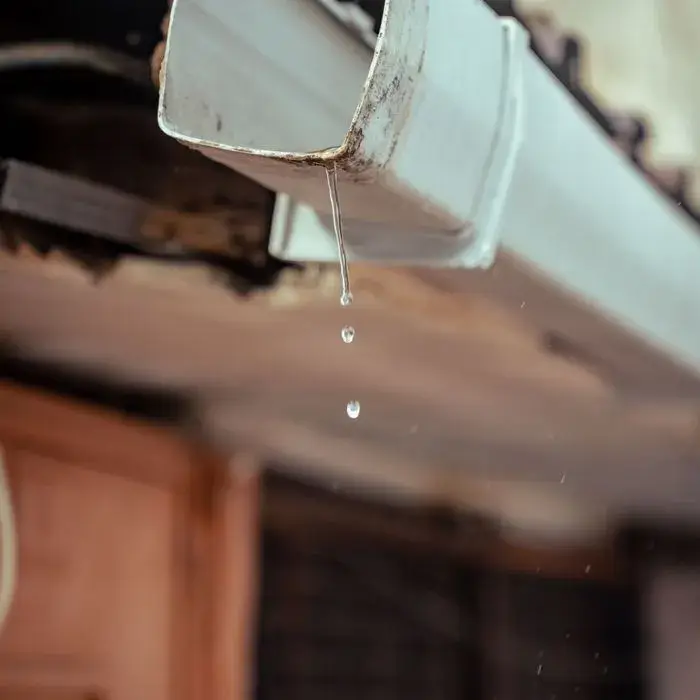
North Texas hailstorms bruise shingles and knock granules loose — check your gutters and downspouts for granule buildup after a storm. Bruised shingles may look fine from the ground but lose years of life.
Serving Dallas–Fort Worth, TX
Emergency help available — call for current availability
SummitCrest connects you with independent local roofing professionals. It does not perform roofing work itself.
Roofing help in Dallas–Fort Worth
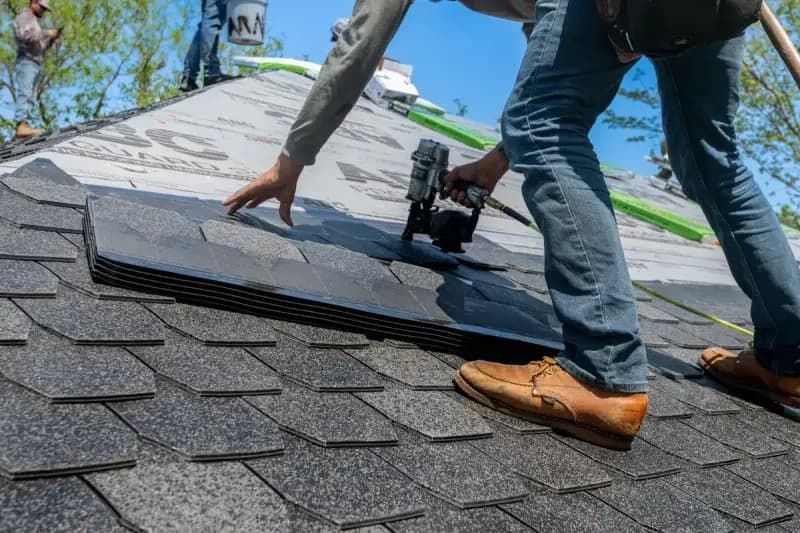
Dallas–Fort Worth
Roofing connections, made simple
Missing shingles, a leak after last night's storm, or a roof that's simply past its prime — roofing problems don't wait. SummitCrest Roofing is a free referral service: tell us what's happening and we'll connect you with an independent local roofing pro in the Dallas–Fort Worth area who fits the job. The pro inspects the roof, explains the options in plain language, and you work directly with them.
A Dallas–Fort Worth roofing connection that explains the job in plain language before anyone climbs a ladder — then connects you with an independent local roofing professional who fits the work.
Skip the form — call and storm-damage requests route first for hail damage, missing shingles, and leaks.
What we connect you with
Four categories, eight services — every one handled by an independent local roofing pro, matched to your job.
See the difference
Storm damage, worn shingles, tired curb appeal — a replacement resets the whole picture. Drag the handle to compare.
AfterBefore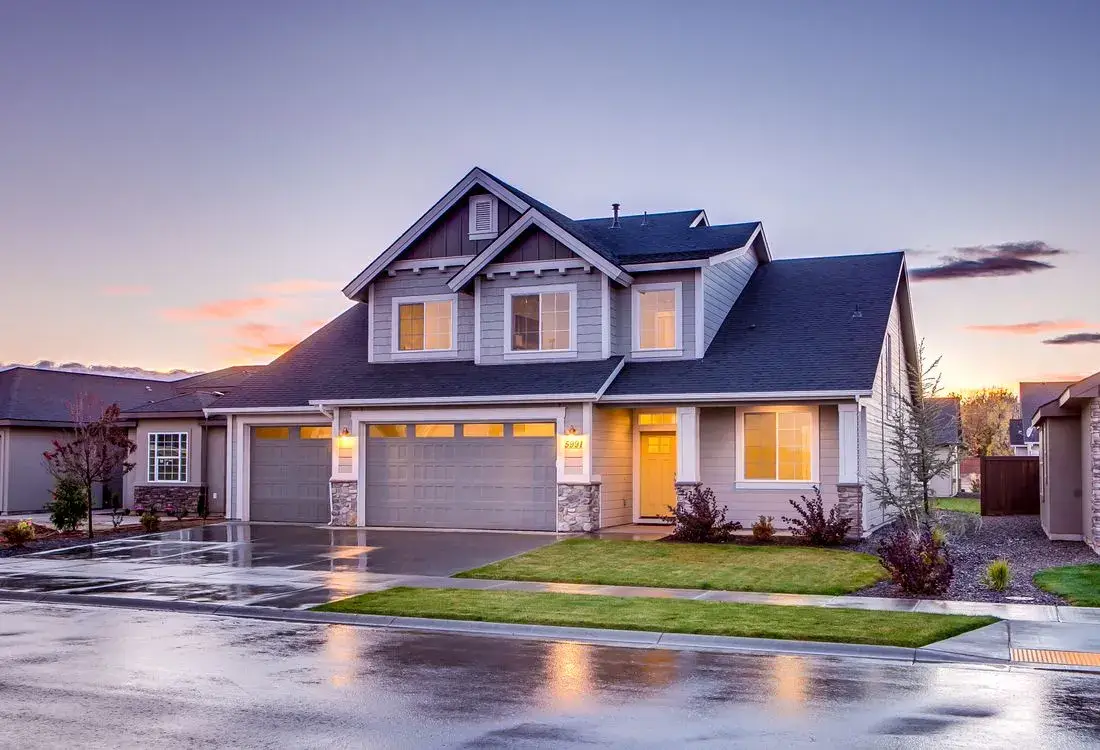 AfterBefore
 AfterBefore
Illustrative examples — drag each handle to compare. Photos show the kind of transformation roof work can bring.
See roofing up close
Real footage of roofing work — so you know what to expect when a pro climbs your ladder.
Roofer at work
Illustrative stock footage — not SummitCrest's own work.
Roof replacement in progress
Illustrative stock footage — not SummitCrest's own work.
Architectural shingles up close
Illustrative stock footage — not SummitCrest's own work.
When gutters clog
Illustrative stock footage — not SummitCrest's own work.
Roof deck preparation
Illustrative stock footage — not SummitCrest's own work.
Roofing layers from above
Illustrative stock footage — not SummitCrest's own work.
Commercial roofing overview
Illustrative stock footage — not SummitCrest's own work.
Popular services
From storm damage repair to full replacement — each service page explains the warning signs, the process, and what influences cost.
Top towns
A dozen of the busiest towns we serve across Dallas–Fort Worth.
Symptom finder
Match the symptom to the likely cause — then get to the right help. These are common patterns, not a diagnosis.
Act nowWater stain spreading on the ceiling
Likely cause: A roof leak above — water often travels along decking before it shows, so the stain is rarely directly under the entry point
Act nowMissing shingles after a storm
Likely cause: Wind tore shingles loose — the exposed underlayment underneath is not a long-term weather barrier
Granules collecting in the gutters
Likely cause: Shingles shedding their protective granule layer — normal in small amounts on a new roof, a wear signal on an older one
Shingles curling or cracking
Likely cause: Heat aging and UV breakdown — curled or brittle shingles no longer seal against wind-driven rain
Dents on vents or gutters after hail
Likely cause: Hail hit hard enough to mark soft metal — the shingles took the same impacts, and bruising is easy to miss from the ground
Act nowDaylight visible through the attic roof boards
Likely cause: Gaps in the decking or missing shingles above — every gap is a path for water
Act nowRoof looks wavy or sagging in spots
Likely cause: Possible decking deterioration or structural movement — sagging is the one roof symptom to treat as urgent
Gutters overflowing in heavy rain
Likely cause: Undersized, clogged, or improperly sloped gutters — or too few downspouts for the roof area
Flashing pulling away from a chimney or vent
Likely cause: Sealant failure or movement — flashing gaps are among the most common leak sources on an otherwise sound roof
Moss or algae growing on the roof
Likely cause: Moisture held against the shingles, usually on shaded north-facing slopes — it shortens shingle life if left alone
Roof is 20+ years old and never inspected
Likely cause: Age plus unknown condition — most asphalt roofs are in their later years by 20, and silent deterioration is the norm
Considering metal instead of shingles
Likely cause: A longer-life roof option that handles Texas hail, wind, and heat well — worth comparing before a replacement decision
How it works
A free referral: we connect you, the local pro does the work.
Call or request service online. We share your details with up to three independent local roofing pros so they can contact you about your job.
The pro who fits your job reaches out — you talk directly to the person who will do the work, not a call center.
The roofer inspects the roof, shows you what's wrong — usually with photos — and explains repair versus replacement before quoting.
You hire the roofer on their terms and their pricing. They do the repair or replacement, and handle permits where required.
The job is finished and cleaned up. Any warranty comes from the roofer who did the work — get the scope and warranty in writing.
Service area
Coverage varies by ZIP — check yours and we'll match you with independent local roofing pros serving your area.
Dallas County · 75201, 75206, 75214, 75218, 75228
Dallas County · 75038, 75039, 75060, 75061, 75063
Dallas County · 75040, 75041, 75043, 75044
Dallas County · 75149, 75150, 75181
A few details and we'll match you with a local roofing pro.
SummitCrest connects you with independent local roofing professionals. It does not perform roofing work itself.
DFW know-how
Roofing problems follow patterns — hail season, housing age, and Texas heat shape every call.
North Texas hailstorms bruise shingles and knock granules loose — check your gutters and downspouts for granule buildup after a storm. Bruised shingles may look fine from the ground but lose years of life.
Long stretches of high heat and UV dry out shingles and sealants. Proper attic ventilation and intact flashing around vents and chimneys decide how a roof handles another DFW summer.
A water stain on the ceiling means water has already traveled. Catching a leak early usually means a simpler repair — waiting risks decking, insulation, and drywall damage on top of the roof itself.
Learn
Straight answers on what to do first, what to avoid, and how to hire the right roofer.
No. SummitCrest Roofing is a free referral service. We connect you with up to three independent local roofing professionals, and you work directly with the pro you choose. We do not employ roofers, own trucks, hold licenses, or perform roofing work ourselves.
Tell us what is happening — the symptom, when it started, and your location. We share your details with up to three independent local roofing professionals who can contact you about the job. You compare, hire, and pay the pro directly; using SummitCrest Roofing costs you nothing.
Pros quote the job themselves — we never set prices or quote sight unseen. Cost factors a pro considers include the roof's size and pitch, the material you choose, the condition of the decking and flashing, access, and timing, since emergency tarping and storm-season scheduling can affect availability.
Asphalt shingles typically last 15–30 years depending on the product, installation quality, ventilation, and weather exposure. Texas hail and heat can shorten that range. Metal roofs typically last much longer — often several decades. A professional inspection tells you where your specific roof stands.
Document the storm's date, photograph any visible damage from the ground, and check inside for new ceiling stains. If water is coming in, contain the interior damage and get a tarp over the leak. Then schedule a professional inspection — hail bruising is hard to see from the ground.
Policies vary — check your own. Sudden, accidental damage like hail or wind is typically the kind of thing homeowners policies cover, while age and wear-and-tear are typically excluded. Get a professional inspection first so you know the extent of the damage before you call your insurer.
It comes down to age plus spread. A localized problem on an otherwise healthy, mid-life roof is usually a repair. Widespread wear, repeated leaks in different spots, or a roof past its typical lifespan usually makes replacement the better long-term value. A roofer's inspection gives you a straight answer for your roof.
We don't recommend it. Steep, wet, or damaged roofs are dangerous, and walking on shingles can damage them — especially in heat. Do a ground-level walkaround with binoculars, check the attic after rain, and let a professional do the on-roof inspection.
Most DFW cities require permits for full roof replacements; minor repairs are often exempt. Requirements vary by city, and the pro you hire typically handles the permit paperwork as part of the job — confirm this before work starts so inspections and insurance coverage stay valid.
We connect homeowners with independent roofing professionals across Dallas–Fort Worth, TX — from Dallas and Fort Worth to Arlington, Plano, Irving, Garland, Frisco, McKinney, Denton, and the surrounding suburbs. Enter your ZIP on any location page to check coverage in your area.
Free referral · No sign-up
Tell us what's happening and we'll connect you with an independent local roofing pro who fits the job.