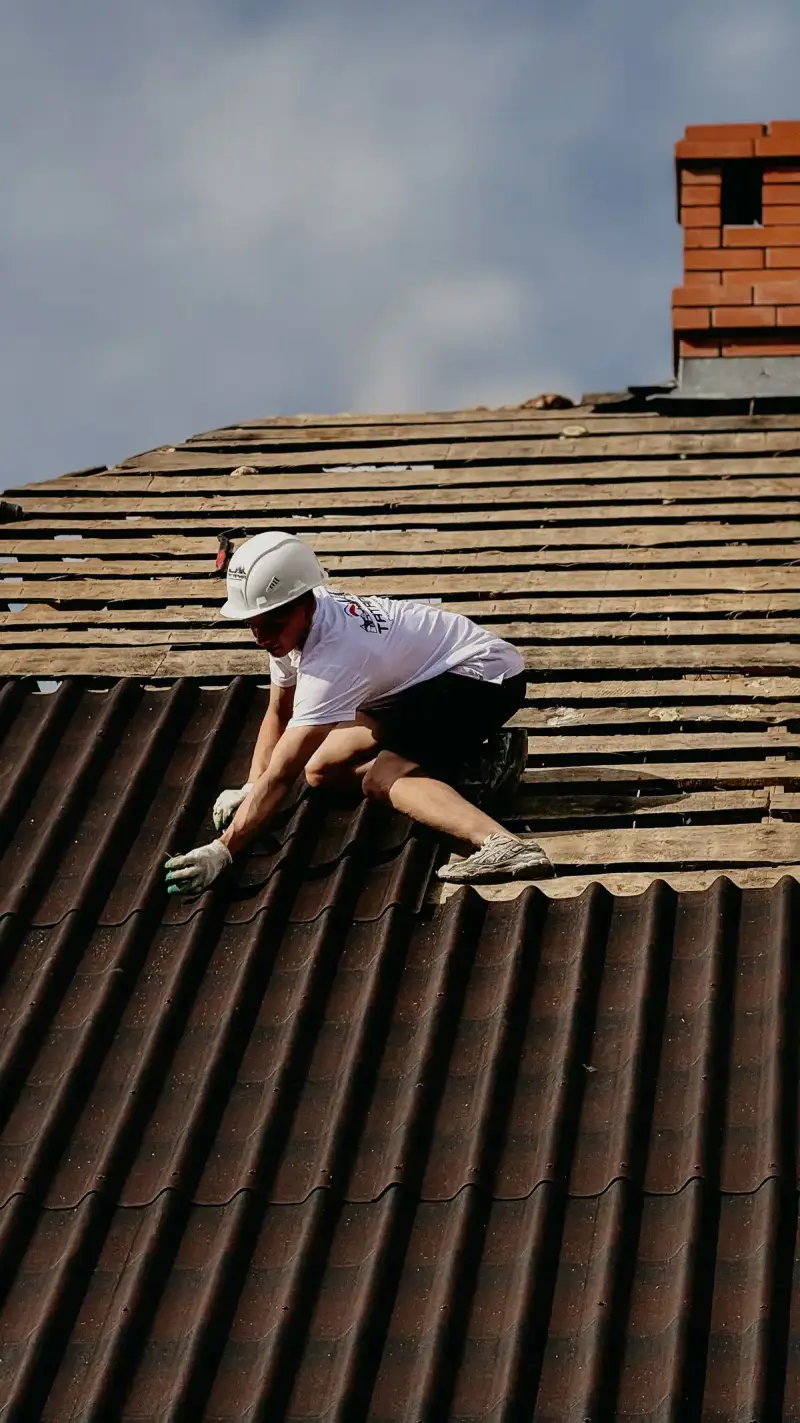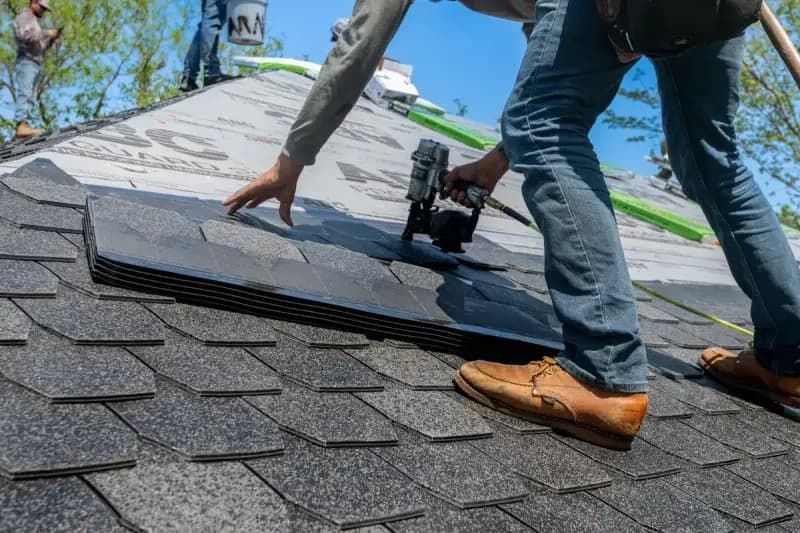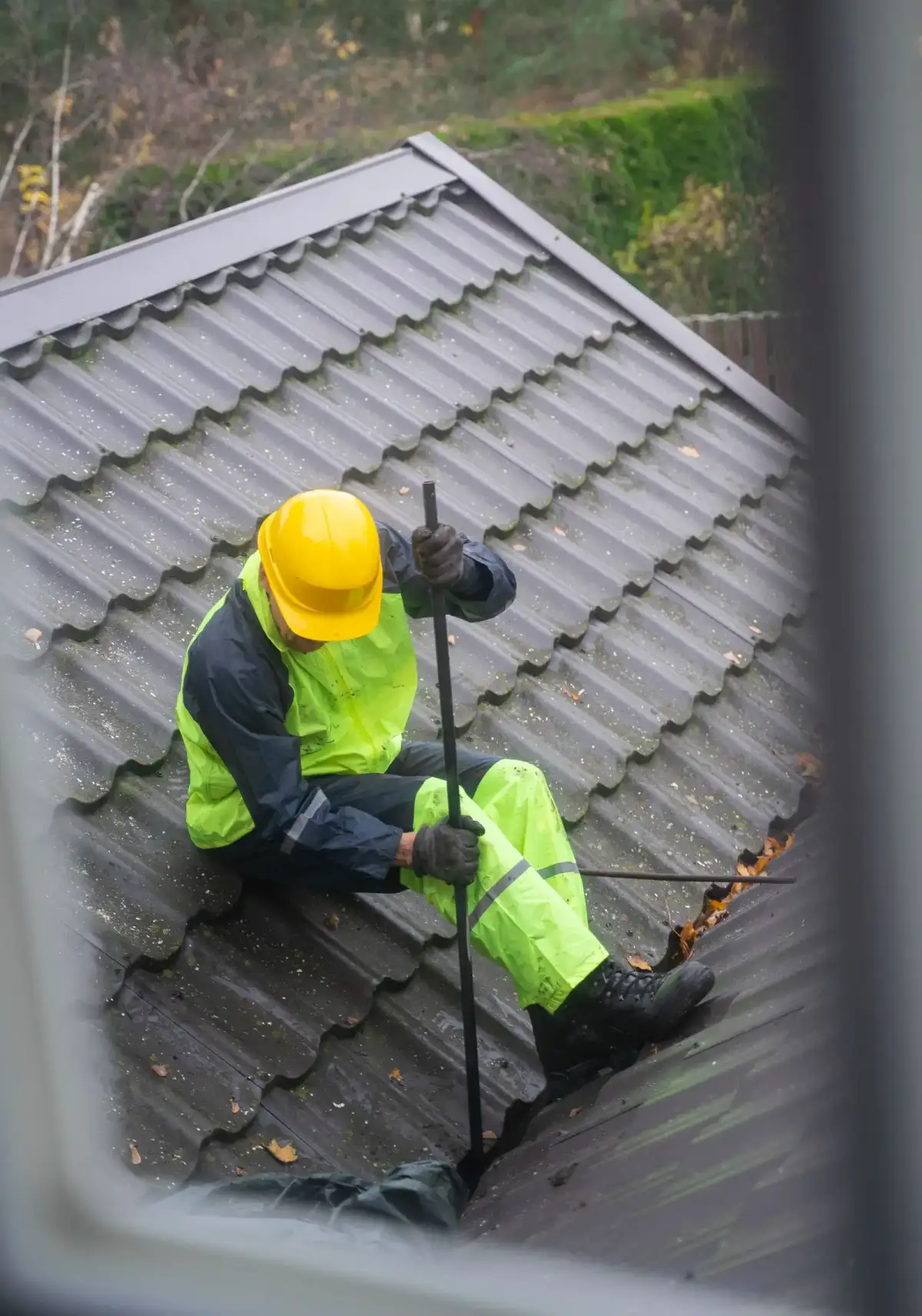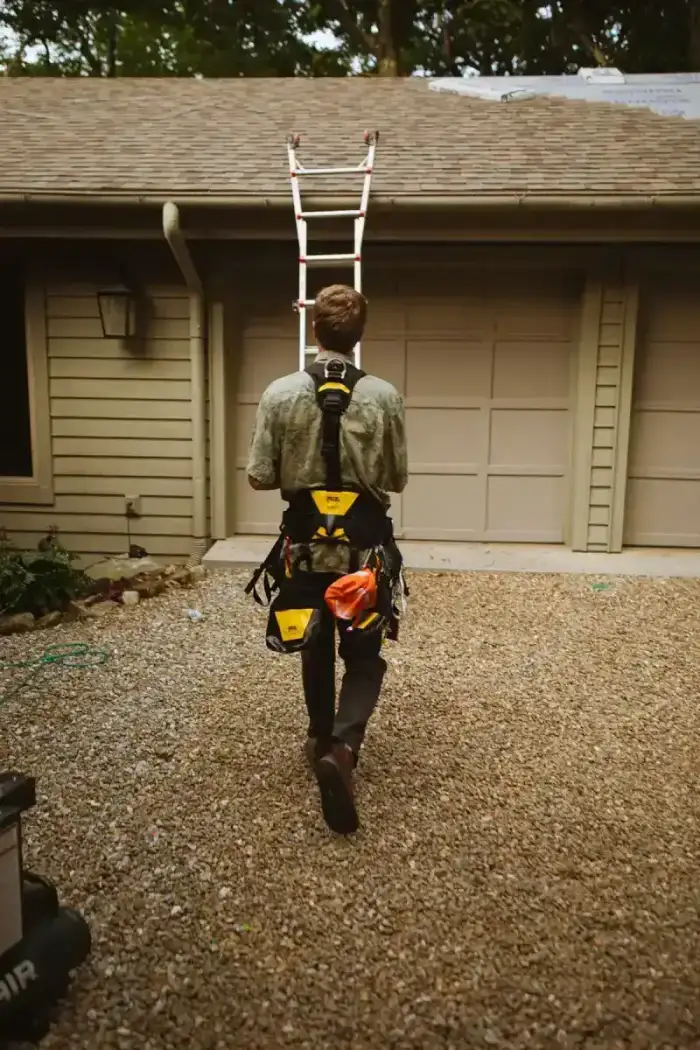
Most roof problems are invisible from the ground. Lifted shingles, cracked vent boots, failing flashing, and hail bruising all hide until water finds its way in — and by then the repair costs more. An inspection puts trained eyes on the roof and in the attic, documenting condition with photos you can actually see.
A proper inspection covers the field of the roof, all flashing points (chimneys, vents, skylights, wall intersections), gutters and downspouts, and the attic — decking condition, ventilation, and signs of past or active leaks. You should get a written summary: what's fine, what needs attention now, and what to watch. That report is also what you want in hand before a real estate transaction or an insurance claim.
SummitCrest Roofing is a free referral service — we don't inspect roofs ourselves. Request an inspection and we'll connect you with up to three independent local roofing professionals. SummitCrest Roofing connects you with an independent local roofing professional — you work directly with the roofer you choose.
Key facts
- A professional roof inspection assesses the shingles, flashing, vents, gutters, and attic conditions — with photos.
- A proper inspection report lists what is healthy, what needs attention now, and what can wait.
- Once a year is a good inspection baseline in DFW, plus an inspection after any significant hail or wind event.
- Documented, dated inspection reports are what insurers want to see before a claim.
- Most roof problems are invisible from the ground: lifted shingles, cracked vent boots, and hail bruising all hide until water finds a way in.
- Routine maintenance — inspections, clean gutters, prompt minor repairs, ventilation — can add real years to a roof's service life.
- Typical first step
- Document what you see from the ground — missing shingles, ceiling stains, granules in the gutters — then get a pro out before the next rain.
- Emergency capable
- For active emergencies, call and we'll route you immediately.
Warning signs
Signs you need this service
- It's been years since anyone looked at the roof — or never.
- You're buying or selling a home and need the roof's condition documented.
- A hailstorm or high-wind event just passed through your area.
- You see granules in the gutters but the roof 'looks fine' from the ground.
- Energy bills climbing — poor attic ventilation shows up in inspections.
- You want a maintenance plan: gutters, sealant, and minor fixes on a schedule.
What happens
The process, step by step
Exterior walk: the inspector walks the roof, checking shingles, flashing, vents, and penetrations.
Attic check: decking, ventilation, insulation, and leak signs are assessed from underneath.
Drainage review: gutters, downspouts, and valleys are checked for flow problems.
Written report: photos plus a prioritized list — urgent, soon, and monitor — so you can plan.
Watch
See this work up close
Roof inspection from above
Illustrative stock footage — not SummitCrest's own work.
Cost factors
What influences the cost
Every job is different, so we won't quote prices sight unseen. These are the factors a pro will weigh when pricing your job:
- Roof size, pitch, and complexity — bigger and steeper takes longer.
- Whether the inspection is standalone or bundled with maintenance work.
- Report depth — a photo-documented written report versus a verbal once-over.
- Attic accessibility — difficult access adds time.
- Follow-up maintenance found during the inspection, quoted separately.
DIY guidance
What you can do — and when to stop
Safe to do yourself
- Do a ground-level walkaround twice a year: missing shingles, sagging gutters, debris in valleys.
- Check the attic after heavy rain for new stains or damp insulation.
- Keep gutters clean and downspouts extended — drainage is half of roof health.
- Trim branches back from the roof surface.
Stop and call a pro
- Walking the roof yourself for 'a closer look' — you can damage shingles and yourself.
- Caulking flashing you think looks bad — improper sealant traps water.
- Assuming 'no leaks' means 'good roof' — most deterioration is silent until it isn't.
- Skipping inspections on a roof over 10 years old in hail country.
Frequently asked questions
Once a year is a good baseline in DFW, plus after any significant hail or wind event. Roofs over 10 years old benefit most — that is when small issues start appearing between storms.
The roof surface, all flashing points, vents and penetrations, gutters and drainage, and the attic — decking, ventilation, and leak signs. You should receive photos and a written summary with prioritized findings.
No. SummitCrest Roofing is a free referral service. We connect you with up to three independent local roofing professionals, and you work directly with the roofer you choose.
A documented inspection with dated photos is exactly what insurers want to see — it establishes the roof's condition and separates storm damage from pre-existing wear. Keep the report with your home records.
Walk the perimeter after big storms and look for missing shingles, debris, and gutter damage from the ground. Keep gutters clear, trim branches touching the roof, and check the attic for new stains after heavy rain. Photograph anything that changes — your photo log helps the next inspector and any future claim.
A thorough residential inspection usually takes 30 to 90 minutes — longer for large, steep, or complex roofs. The on-roof portion is only part of it; a good inspector also checks the attic, ventilation, and drainage. The written report with photos typically follows within a day or two.
Worn pipe boots and cracked flashing, hail bruising from past storms, lifted shingles at ridges and edges, clogged valleys, and poor attic ventilation cooking shingles from below. Most findings are minor when caught early — that's the whole point of inspecting before they become leaks.
Yes — a general home inspection only glances at the roof. A dedicated roofing inspection tells you the roof's age, remaining life, and repair needs, which is negotiating leverage. In DFW, ask specifically about hail history and whether past repairs were permitted and documented.
That's exactly what they're trained for. Hail bruises shingles by knocking off granules in spots that look normal from the ground — inspectors find them by feel and with close-up photos, and they check soft metals like vents and flashing for matching dents. Their documentation is what insurers rely on.
Look for a roofing professional — not a general handyman — with local experience and a sample report you can review before booking. The report should include photos, prioritized findings, and remaining-life estimates. Be cautious of free inspections that turn into high-pressure sales pitches for work you may not need.
Towns we serve in DFW
Inspection by city
- Allen, TX
- Dallas, TX
- Frisco, TX
- Irving, TX
- Plano, TX
- Arlington, TX
- Denton, TX
- Garland, TX
- Lewisville, TX
- Richardson, TX
- Carrollton, TX
- Flower Mound, TX
- Grand Prairie, TX
- Mckinney, TX
- Coppell, TX
- Fort Worth, TX
- Grapevine, TX
- Mesquite, TX
- The Colony, TX
- Keller, TX
- Southlake, TX
- Colleyville, TX
- Bedford, TX
- Euless, TX
- Hurst, TX
- North Richland Hills, TX
- Mansfield, TX
- Cedar Hill, TX
- Desoto, TX
- Rowlett, TX
- Rockwall, TX
- Addison, TX
- Wylie, TX