
Short answer
Repair when damage is localized and the roof is well within its typical lifespan; replace when wear is widespread, leaks recur in different spots, or the roof is past its material's expected range. When both options are viable, a professional inspection and an honest roofer's reasoning will settle the call.
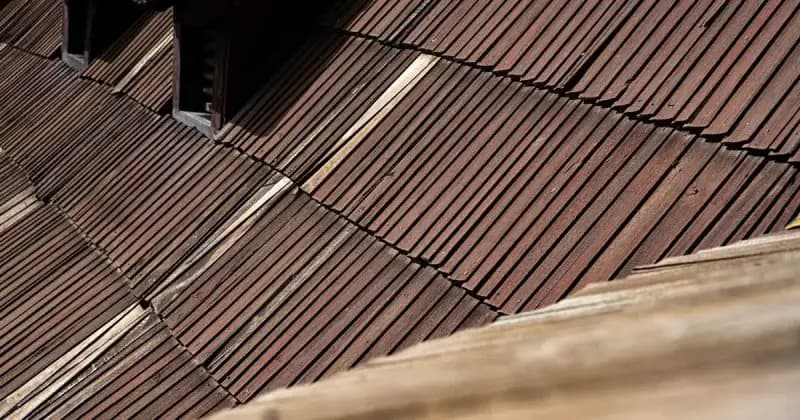
The two questions that decide it
Every repair-or-replace decision comes down to two questions: how old is the roof relative to its material's typical lifespan, and how widespread is the problem. A five-year-old architectural shingle roof with wind damage on one slope is a repair. A 25-year-old roof with curling shingles across every slope is a replacement wearing a repair costume.
The honest middle ground is a roof at 60–80% of its typical life with a real but contained problem — a failed valley, a bad flashing detail. There, a quality repair buys meaningful years, and a good roofer will tell you so rather than pushing a replacement.
Signs pointing toward repair
Repair is the right call when the damage is clearly local: a few wind-torn shingles, one failed vent boot, flashing pulled away at a single chimney. The rest of the roof should look and feel healthy — shingles lying flat, granules intact, no widespread curling.
Age matters too. On a roof well within its typical lifespan, even a significant localized repair makes sense because the surrounding roof has many years left. The repair should address the cause — new flashing, not caulk over old flashing — so it actually lasts.
- Damage confined to one area or slope.
- Roof is within the first two-thirds of its typical lifespan.
- Surrounding shingles are flat, sealed, and holding granules.
- The cause is identifiable and fixable (flashing, vent boot, wind damage).
Signs pointing toward replacement
Replacement wins when the problems are systemic. Widespread granule loss, curling or cracking across multiple slopes, repeated leaks appearing in different places, or daylight through the decking in the attic all say the roofing system is done — patching one spot just moves the next leak's appointment up.
Do the math honestly: two or three significant repairs over a few years can approach the cost of a replacement, without resetting the roof's age. At that point you are paying replacement money for a roof that is still old.
- Wear visible across most or all slopes.
- Leaks recurring in different locations.
- Roof at or past its material's typical lifespan.
- Decking issues: sagging, rot, or daylight through boards.
- A previous overlay — second layers can't be patched forever.
Getting an honest assessment
A reputable roofer inspects the whole roof and the attic, then gives you both options with real numbers when both are viable. Be wary of anyone who declares 'you need a new roof' from the driveway, or who only offers repairs on a clearly finished roof.
Ask directly: 'If this were your house, would you repair or replace?' Then ask why. The reasoning — age, spread, decking condition — tells you whether the recommendation is about your roof or their schedule.
Frequently asked questions
You can for a while, but each repair on a worn-out roof buys less time than the last. Once repairs become routine, add up what you've spent — the cumulative cost often approaches a replacement without resetting the roof's age. At that point, price a full replacement for an honest comparison.
A reputable one will. Ask for both repair and replacement options with real numbers wherever both are viable, and ask the direct question: what would you do if this were your house. If the recommendation doesn't match what you can see on the roof, get a second opinion.
Insurers don't prefer either — they pay for what the policy covers. That means sudden storm damage like hail or wind, not age and wear. If a storm destroyed an old roof, the insurer generally covers the storm damage portion according to your policy terms — not necessarily a brand-new roof. Always check your own policy.
An active leak is urgent — contain the interior damage and get a roofer out quickly. A merely aging roof with no leaks gives you breathing room: time to get quotes, compare scopes, and schedule the work at your convenience, ideally before the next storm season arrives.