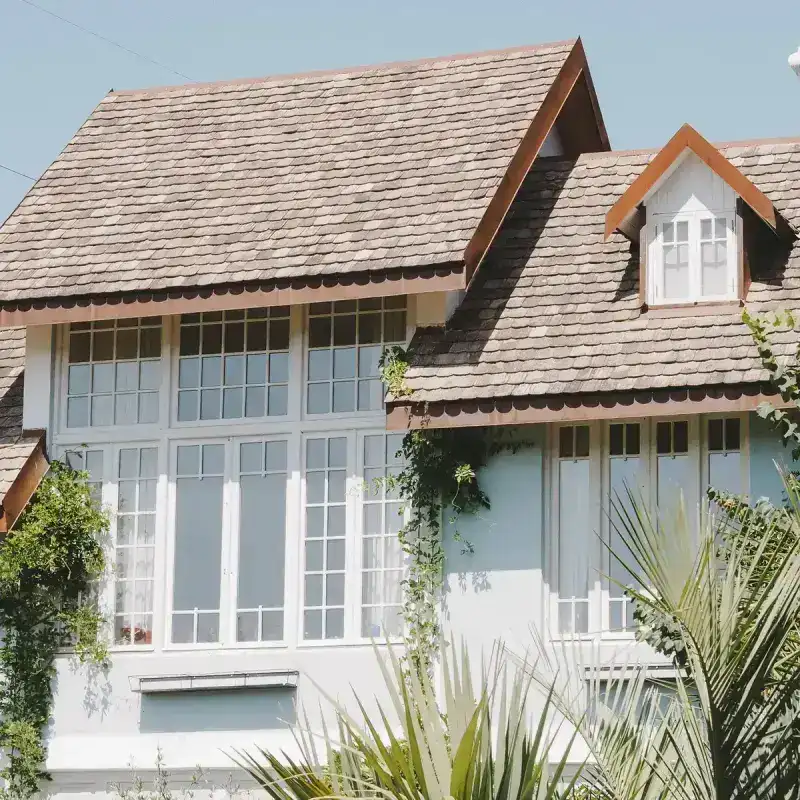
Walk any DFW subdivision and most roofs are architectural shingles: the dimensional, layered look that replaced flat three-tab shingles years ago. They are the default for good reasons — they cost less than metal or tile, they look good on almost any home style, and any experienced roofing crew installs them well.
In Texas, the details of a shingle roof matter more than the brand name on the bundle. Proper nailing pattern, starter strips at the eaves, intact seal strips, and flashing done right are what keep shingles on the roof through spring windstorms. Hail is the other local fact of life: shingles can be bruised without obvious holes, which is why post-storm inspections matter even when the roof 'looks fine.'
SummitCrest Roofing is a free referral service — we don't install shingles ourselves. Tell us about your roof and we'll connect you with up to three independent local roofing professionals. SummitCrest Roofing connects you with an independent local roofing professional — you work directly with the roofer you choose.
Key facts
- Architectural (dimensional) asphalt shingles are the DFW standard — the default material for full residential replacements.
- Shingles in Texas typically last 15–30 years, depending on the product, installation quality, ventilation, and weather exposure.
- Installation details decide how a shingle roof performs: nailing pattern, starter strips, seal strips, and flashing done right.
- Hail can bruise shingles without obvious holes, so post-storm inspections matter even when the roof looks fine from the ground.
- Lighter shingle colors reflect more heat, but attic ventilation and insulation matter more for cooling than color alone.
- Pressure-washing shingles strips their granules and shortens roof life.
- Typical first step
- Document what you see from the ground — missing shingles, ceiling stains, granules in the gutters — then get a pro out before the next rain.
- Emergency capable
- For active emergencies, call and we'll route you immediately.
Warning signs
Signs you need this service
- Your roof is due for replacement and you want the proven, economical option.
- You want a specific look — architectural shingles come in a wide range of colors and profiles.
- HOA or neighborhood norms point toward shingles.
- The roof geometry is complex — shingles handle valleys, dormers, and hips well.
- You're comparing quotes and want to understand what separates a good shingle job from a cheap one.
What happens
The process, step by step
Inspection and measurement: the roof is assessed and measured, and the deck and ventilation are checked.
Shingle selection: product line, color, and warranty tier are chosen with the roofer's guidance.
Tear-off and prep: old roofing comes off, decking is repaired, underlayment and flashing go down.
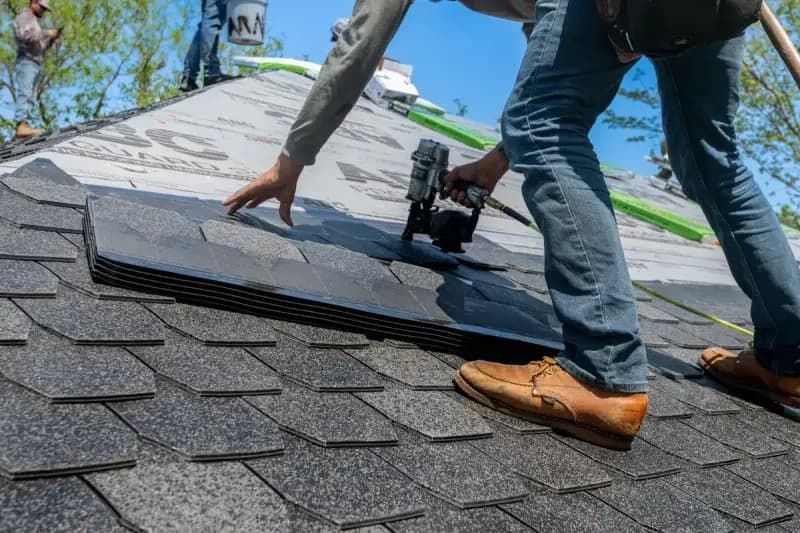
Installation: starter strips, field shingles with proper nailing, ridge caps, and a final cleanup and inspection.
Watch
See this work up close
Architectural shingles up close
Illustrative stock footage — not SummitCrest's own work.
Cost factors
What influences the cost
Every job is different, so we won't quote prices sight unseen. These are the factors a pro will weigh when pricing your job:
- Shingle tier — basic architectural versus premium or designer lines.
- Roof size, pitch, and complexity — valleys and penetrations add labor.
- Tear-off layers and decking condition underneath.
- Flashing replacement scope — chimneys, skylights, and wall intersections.
- Ventilation upgrades included in the job.
DIY guidance
What you can do — and when to stop
Safe to do yourself
- Compare shingle colors against your home's brick and trim in daylight.
- Ask roofers which product lines they install most — familiarity shows in the details.
- Check HOA color and material restrictions before choosing.
- Photograph your current roof's problem areas for accurate quotes.
Stop and call a pro
- Choosing purely on price — the cheapest shingle bid often cuts corners on flashing and ventilation.
- Assuming all '30-year' shingles are equal — the warranty terms and the installer's workmanship matter more.
- Nailing replacement shingles yourself without matching the existing nailing pattern.
- Pressure-washing shingles — it strips granules and shortens roof life.
Frequently asked questions
Typically 15–30 years depending on the product, installation quality, ventilation, and weather exposure. Texas hail and heat can shorten that range — a roof that survives multiple hail seasons may age faster than the same shingle in a milder climate.
Architectural (dimensional) shingles are thicker, layered, and longer-lasting — they are the standard for new installs. Three-tab shingles are flat, thinner, and largely phased out for full replacements. Almost every reputable roofer quotes architectural shingles by default.
No. SummitCrest Roofing is a free referral service. We connect you with up to three independent local roofing professionals, and you work directly with the roofer you choose.
Somewhat — lighter colors reflect more heat than dark ones. Ventilation and attic insulation matter more for cooling loads than shingle color alone, so don't pick a color you dislike just for a small energy difference.
Tear-off to the deck, decking repairs where needed, ice-and-water shield in valleys and at eaves, new flashing at every penetration, starter strips, shingles nailed to manufacturer spec, and ridge ventilation. A magnetic nail sweep and final walkthrough finish the job. If a quote skips flashing or ventilation, ask why.
Most DFW homes take one to three days of actual work. Size, pitch, and complexity drive the schedule — a steep, cut-up roof takes longer than a simple ranch. Weather delays happen during storm season. Your roofer should give you a written schedule before tear-off day.
Curling or cracked shingles, bald spots where granules wore off, granules piling up in gutters, and shingles lifting at the edges. Inside, look for ceiling stains and daylight in the attic. A roof showing several of these across multiple slopes is telling you its time is running out.
Roof size and pitch, the shingle tier you choose, tear-off layers, decking condition, and flashing scope around chimneys, skylights, and valleys. Access and multi-story height add labor. Get itemized quotes so you can compare what's actually included — the cheapest bid often cuts corners on flashing.
For many homeowners, yes — they're engineered to survive hail that would bruise standard shingles, which matters in hail country. They cost more upfront. Some insurers offer premium discounts for Class 4 shingles, which can offset the difference over time. Ask your insurer what they recognize before you decide.
How they handle flashing, ventilation, and decking repairs — the details that separate good jobs from cheap ones. Ask for proof of insurance, the workmanship warranty in writing, and who supervises the crew. And ask which shingle line they install most — crews do their best work with familiar products.
Towns we serve in DFW
Shingles by city
- Allen, TX
- Dallas, TX
- Frisco, TX
- Irving, TX
- Plano, TX
- Arlington, TX
- Denton, TX
- Garland, TX
- Lewisville, TX
- Richardson, TX
- Carrollton, TX
- Flower Mound, TX
- Grand Prairie, TX
- Mckinney, TX
- Coppell, TX
- Fort Worth, TX
- Grapevine, TX
- Mesquite, TX
- The Colony, TX
- Keller, TX
- Southlake, TX
- Colleyville, TX
- Bedford, TX
- Euless, TX
- Hurst, TX
- North Richland Hills, TX
- Mansfield, TX
- Cedar Hill, TX
- Desoto, TX
- Rowlett, TX
- Rockwall, TX
- Addison, TX
- Wylie, TX